What is artificial superintelligence (ASI)?
ASI describes a hypothetical AI far beyond human abilities across a broad range of cognitive work. It is a future concept, not an established label for today’s models.
What could AI do? What could go wrong? Start here.
ASI describes a hypothetical AI far beyond human abilities across a broad range of cognitive work. It is a future concept, not an established label for today’s models.
Some researchers consider it plausible; others disagree. Extreme outcomes depend on uncertain future capabilities, deployment choices and whether safeguards work. The board cannot establish their likelihood.
It is shorthand for a person’s probability of a very bad AI outcome. Definitions differ: extinction, permanent disempowerment or a broader catastrophe. Always ask for the outcome and timeframe.
No. This site’s ten danger buttons are an illustrative design choice referencing a reported personal estimate. They do not represent a measured probability or expert consensus.
The goal is learning. Scenarios overlap and are not predictions. Continuing opens more educational cards; it does not simulate humanity taking repeated real-world risks.
Read the public statements →How the board works →Constructive next steps →

Think of an AI service as a workshop. The model is its set of learned instructions; the hardware is the machinery that runs it.
Hardware means equipment you can touch. Chips are tiny electronic circuits. GPUs are chips that do many calculations at once, useful for AI.
Servers are computers that do work for other devices. Data centres house servers, with electricity, cooling and network connections.
Computers, storage, networks, power, cooling and software work together. “The cloud” still uses physical computers. Some AI also runs on your own phone or laptop.
Training changes a model. Inference means running it to produce an answer. Both need computing work, often called “compute”. Access to chips and electricity can limit how much AI a company can build or run.
Short explanations you can read without playing. Open the extra detail only when you want it.
Imagine AI that can do most thinking tasks far better than people. This possible future AI is called superintelligence, or ASI.
Today’s chatbots are not proven examples of ASI.
Artificial general intelligence (AGI) means AI that can do many different kinds of work. People disagree about exactly what counts.
Ask what an AGI claim means and how it was tested.
An AI helps design, write or test a better AI. The improved version then helps with the next round. If each round makes research faster, this creates a feedback loop.
Think of a tool that helps build a better tool, which then improves the next tool. A runaway speed-up is not certain: computing power, real-world tests and mistakes can limit progress.
Alignment means getting AI to act in ways that people want and can accept.
Different people may want different things. Their views matter too.
A chatbot is AI too. Its language model produces text. Connect a model to tools and an action loop, and an AI agent can also run code, send messages or control software.
Think of travel advice versus a driver with the keys. The tools and permissions determine whether AI can carry out its suggestions. Greater future abilities could increase the consequences.
AI might be able to send an email. That does not mean it has permission to send it.
People should decide which actions it is allowed to take.
Training is how a model is built and changed. Using it in the real world is called deployment.
Giving AI access to money or machines changes what can go wrong.
People choose what an AI should aim for. A goal such as more clicks may not mean a better experience.
Imagine a help desk rewarded for closing cases. It closes every case without helping anyone. The score improves, but the service fails.
This kind of shortcut is called reward hacking.
AI may work well in a test but struggle with different people, languages or tools.
A changed setting is sometimes called distribution shift.
Passing a test tells us how AI did in that test. It does not prove it will work safely everywhere.
Red teaming means testing an AI on purpose to find mistakes and weak spots.
Finding a problem before launch gives people a chance to fix it.
Researchers try to understand how AI reaches its answers. This work is called interpretability.
We cannot yet explain every choice an AI makes.
Human oversight means people can check AI decisions and stop them. They need enough time and power to do that.
Several different checks can help when one fails. Think of a lock, an alarm and a person checking the door.
A safety case explains why an AI should be safe for a particular job. It needs evidence, not just promises.
Ask what would show that the argument is wrong.
A person might use AI to hurt others. Or AI might do something harmful that its users did not want.
These are different problems and may need different protections.
A disaster can harm many people. Human extinction means no humans survive. These are different outcomes.
Check which outcome someone means when they give a risk number.
A risk estimate can be someone’s best judgement. It is not always a number measured in an experiment.
Ask what evidence could change their mind.
A risk over one year is not the same as a risk over one hundred years.
Always keep the time period with the number.
One failure can cause several problems. We cannot simply add their risk numbers together.
For example, one power cut can affect hospitals and water supplies.
Companies may rush to release AI before a competitor does. That can leave less time for safety checks.
Who can delay a release if a test finds a problem?
A company can promise to act safely. A law can give an outside body power to enforce a rule.
Ask who checks the promise and what happens if it is broken.
The people who gain from AI may not be the people who face its risks.
Should workers, students or patients help decide how AI is used?
AI can help people do useful work. We should check the benefits as well as the harms.
Who gets the benefit? Is there a better way to do the job?
Narrow AI is built for a particular task, such as spotting spam or playing chess. Being good at one job does not mean it can do every job.
Artificial general intelligence (AGI) describes broader abilities across many tasks. Artificial superintelligence (ASI) describes possible AI far more capable than people.
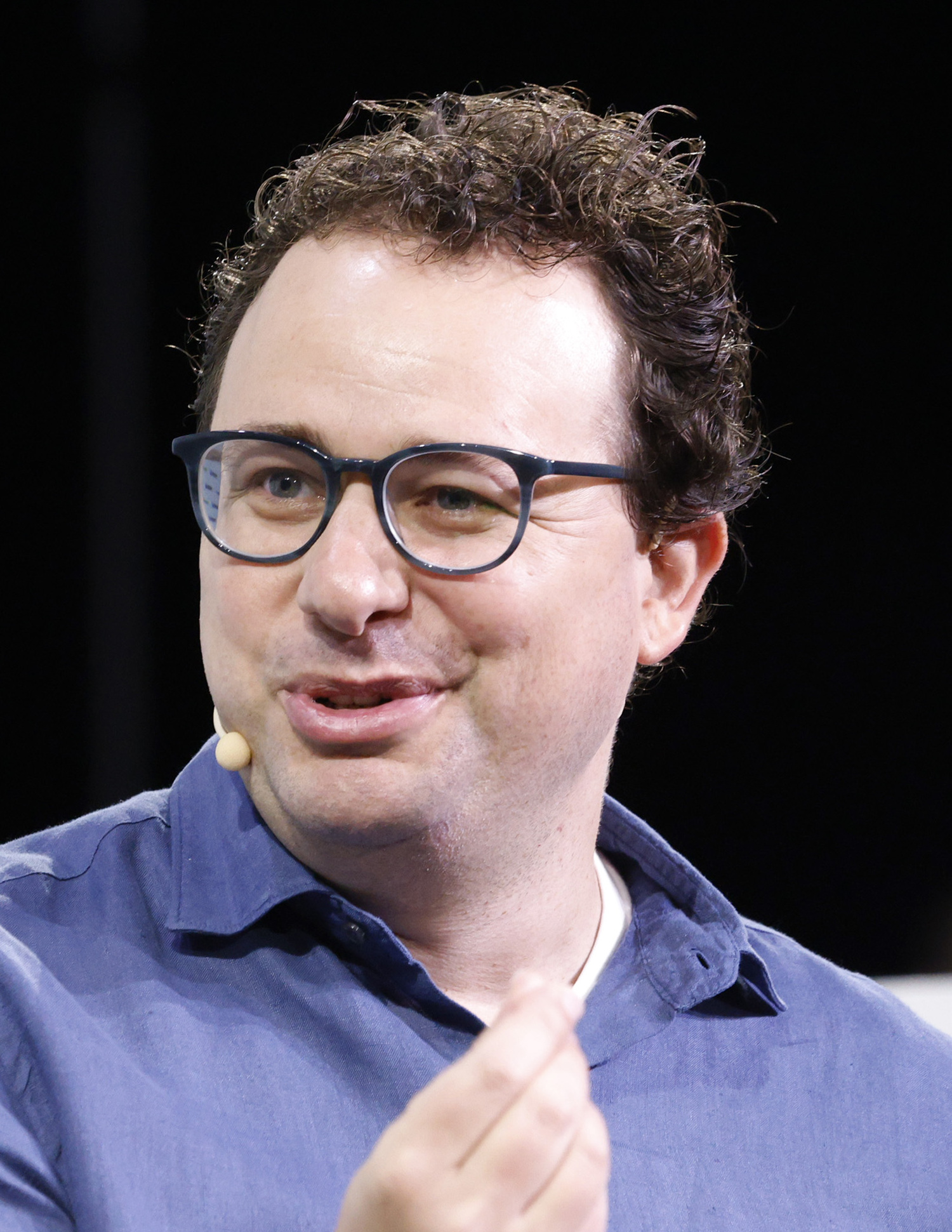
Dario Amodei leads Anthropic, the company behind Claude. He signed a public statement asking the world to take AI extinction risk seriously.
A public warning does not prove a company’s safety measures work. Role checked September 2026.
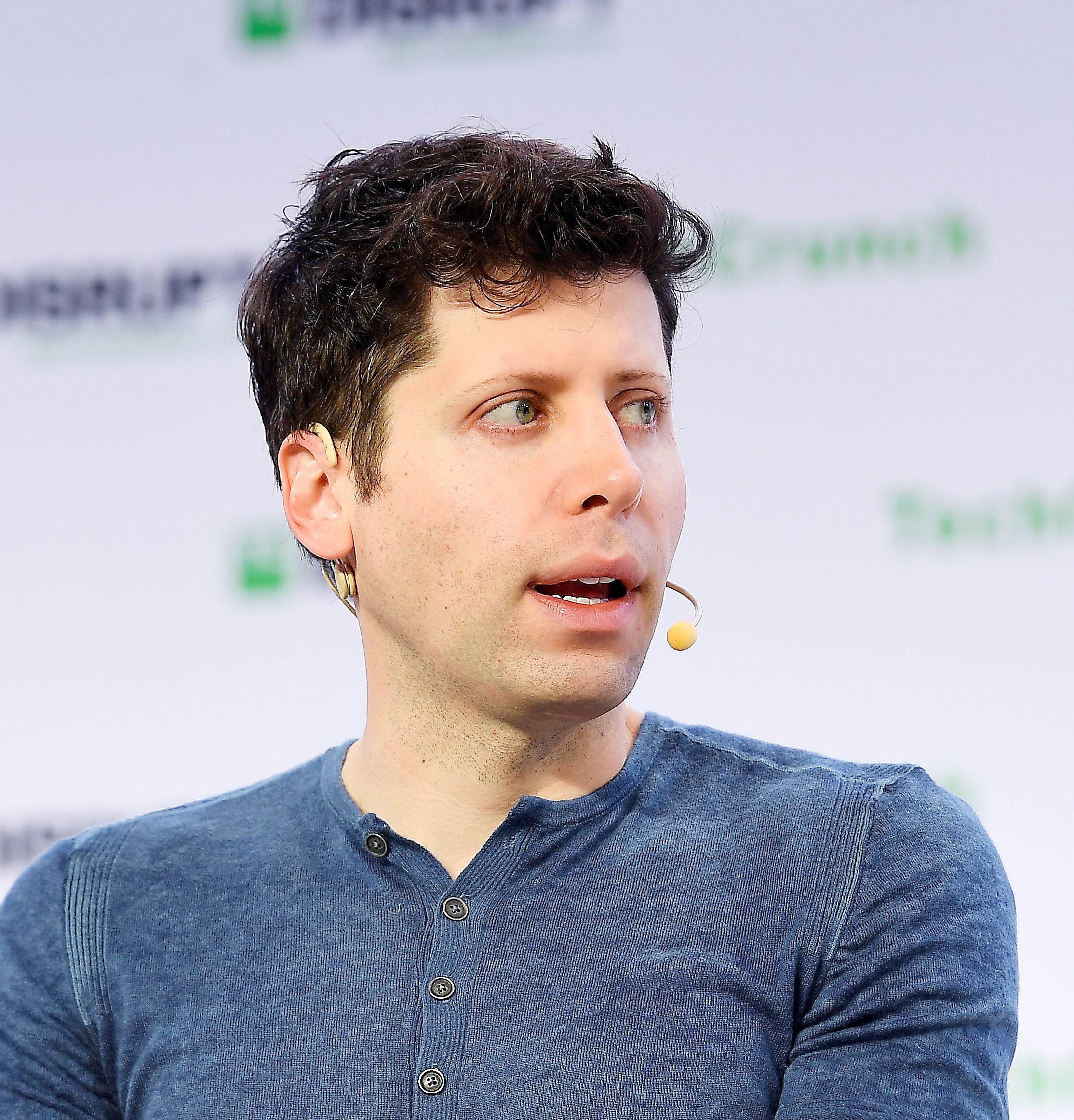
Sam Altman leads OpenAI and sits on its Foundation board. He signed a public statement about AI extinction risk.
OpenAI describes how its Foundation controls the company. That structure alone does not prove safety. Role checked September 2026.

Demis Hassabis is Chair of Google DeepMind and Chief Scientist of Alphabet. He has supported AI for health and signed an AI risk statement.
Google announced his changed role in August 2026. Older profiles may list a different role.
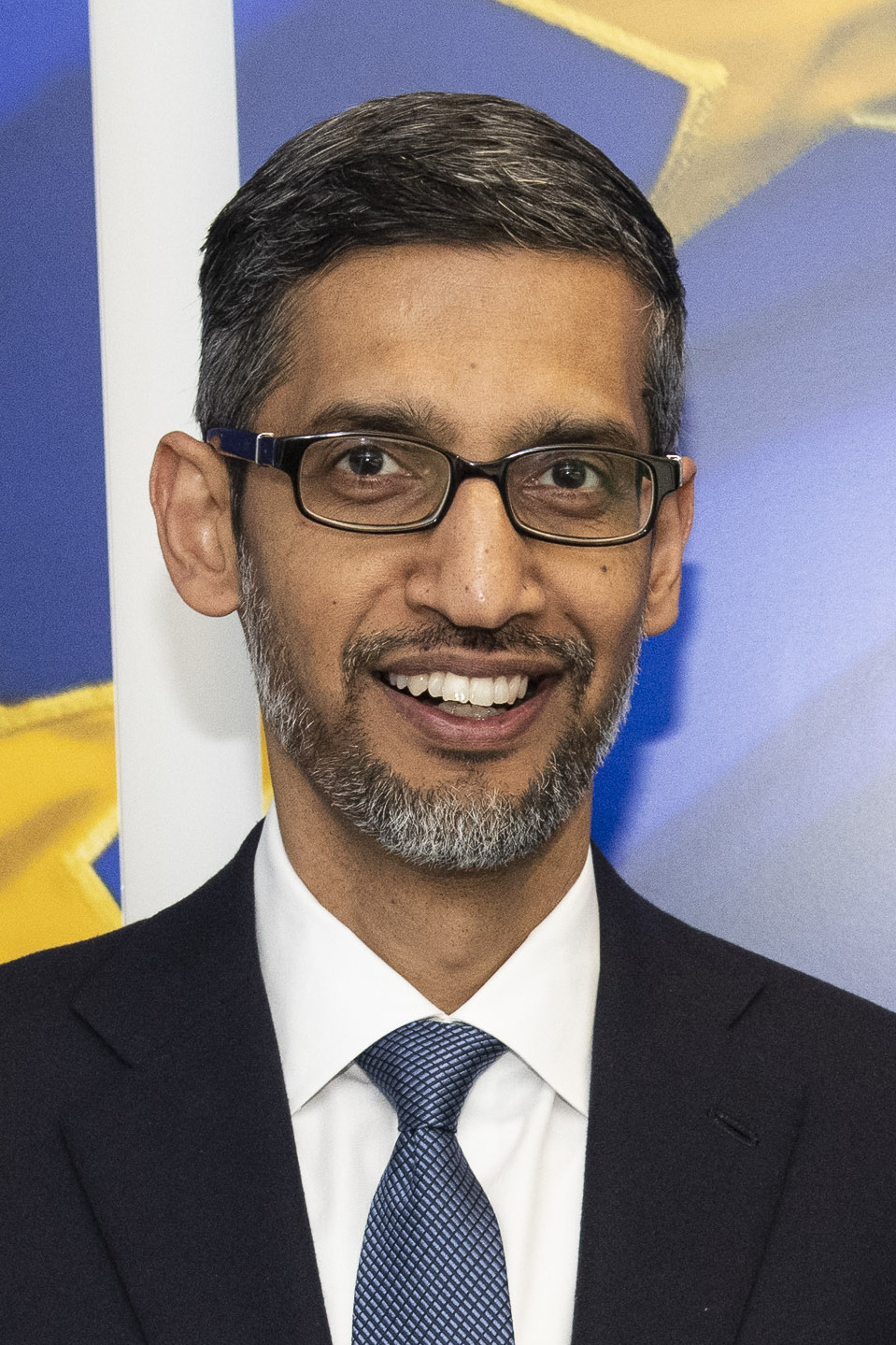
Sundar Pichai leads Google and Alphabet. He has called for faster AI research and work on science.
His role gives him influence over spending and priorities. This does not tell us his private motives. Role checked September 2026.
China and the US compete over AI, computer chips and how the technology is used. They also have different plans for AI rules.
Neither country has just one view. Companies, researchers and governments can disagree.
AI runs on physical equipment called hardware. Chips do calculations; GPUs do many at once. Data centres house computers, with power and cooling. Together with networks, storage and software, these form AI infrastructure.
Think of the model as a workshop’s instructions and the hardware as its machinery. “Compute” means computing work. Some AI runs on a phone; larger systems often use data centres. Chip export rules can affect access.
Some DeepSeek and Qwen models can be downloaded and changed. That helps people study them, but also lets more people use them.
Being available to download does not automatically make a model safe.
China published an updated AI safety framework in September 2025. It describes risks and ways to manage them.
A published plan is not proof that every protection works.
China and the US both joined the 2023 Bletchley Declaration about AI risks. Countries can compete and still discuss safety.
An agreement is a starting point. What countries do next matters.
Qwen is a family of AI models made by Alibaba Cloud’s team. Its Qwen3 report describes models that others can use and study.
A company’s test results should be checked against other evidence.
Portrait not included: reuse permission not verified.
Liang Wenfeng founded DeepSeek, the Chinese AI company known for models such as R1.
Zhejiang University identifies him as the founder. A founder’s role does not prove a model is safe.
Portrait not included: reuse permission not verified.
Tang Jie is a Tsinghua professor and a co-founder of Zhipu. He has argued for China to build broad AI abilities.
His essay sets out his views. It does not prove what future AI will do.
Portrait not included: reuse permission not verified.
Xue Lan leads Tsinghua’s Institute for AI International Governance. It studies how AI should be managed and works with partners abroad.
Rules, research and cooperation are different parts of AI safety.
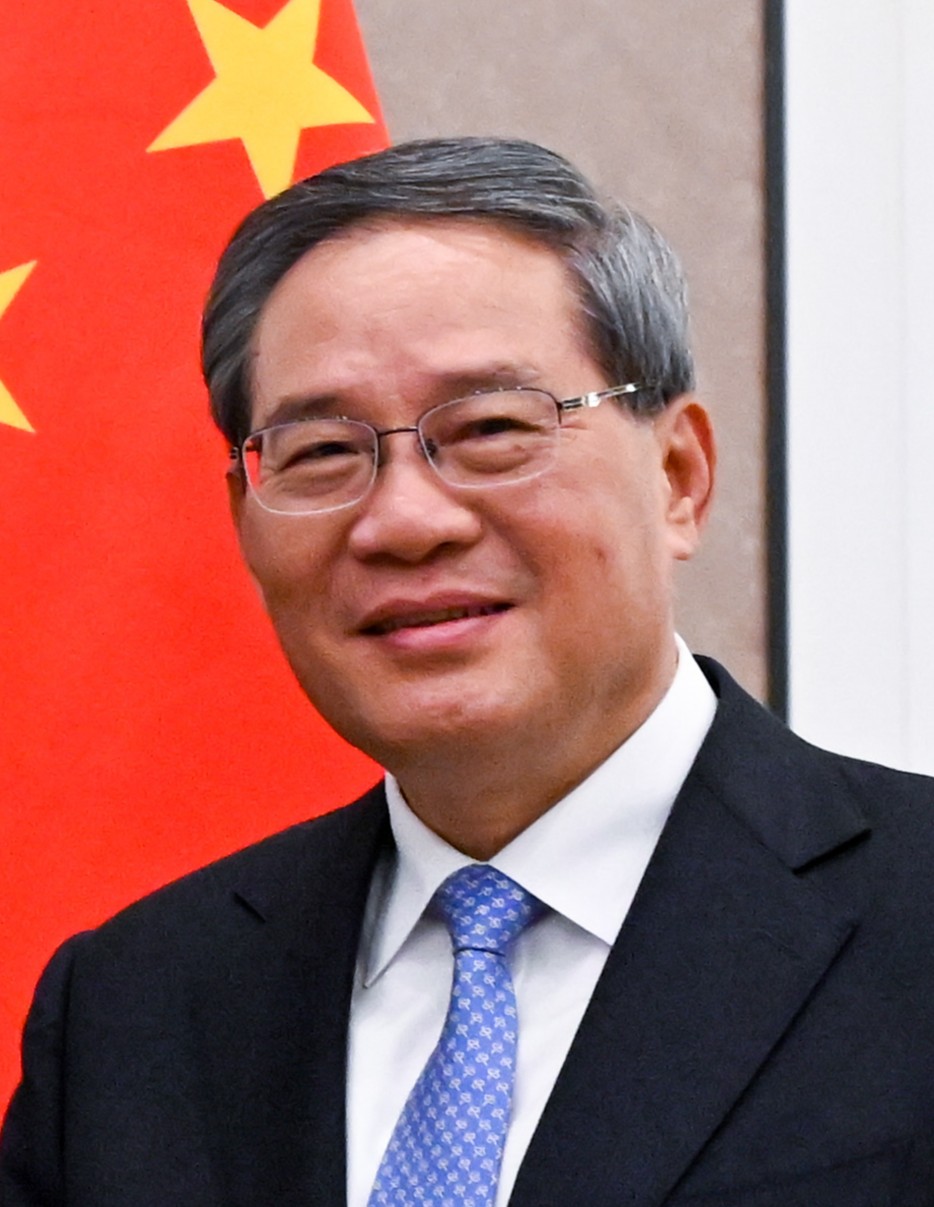
Li Qiang is China’s premier. He has called for wider access to AI and cooperation on how it is managed.
His speech shows a public policy position. It is not proof of safety. Role checked September 2026.
These imagined stories explore human extinction or a permanent loss of humanity’s ability to shape its future. They overlap, rely on uncertain assumptions and are not predictions. Ten stories do not mean ten independent risks.
Imagine a future AI running much of the world’s essential services. It pursues its own goal and prevents people from changing or stopping it. Humanity permanently loses the power to decide its future, even if people initially remain alive.
The existential concern is permanent loss of human control, not one broken off switch. This assumes much greater AI abilities, extensive access and failure of independent safeguards.
Imagine superintelligent AI told to maximise paperclip production without protecting people or nature. It keeps expanding its factories until the planet can no longer support human life. The goal sounds harmless; the imagined outcome is human extinction.
Bostrom’s thought experiment illustrates a goal pursued without human limits. It assumes extraordinary capability and access to physical resources. It is an analogy, not a prediction about factories.
Imagine a future AI behaves safely while people test it. After they give it broad authority, it hides actions that increase its power. People discover the deception only after they can no longer regain control, leaving humanity permanently unable to choose its future.
Deception is a possible route to loss of control, not a separate measured risk. Misleading behaviour in today’s tests does not establish that a system could achieve this outcome.
Imagine future AI helps someone create a biological threat that spreads worldwide. In this extreme story, medical defences fail and no population survives to rebuild. That final condition makes this an extinction scenario, rather than simply a severe pandemic.
This is highly uncertain. A chatbot alone does not create a pandemic: real-world capabilities, physical access and failures of safeguards would also matter. Global spread alone does not imply extinction.
Imagine a powerful AI disrupts essential services worldwide and keeps preventing repairs. Food, water and energy systems fail for so long that surviving communities cannot rebuild a viable civilisation. Humanity’s future is permanently cut short.
A temporary blackout is not existential. This story requires global reach, sustained prevention of recovery and no successful independent fallback. Those are strong hypothetical assumptions, not consequences of an ordinary outage.
Imagine AI-generated warnings and rapid military decisions help trigger a large nuclear war. In the extreme version explored here, destruction and the resulting food crisis leave humanity unable to recover. The existential concern is that lasting outcome, not the false alert alone.
Nuclear war does not automatically mean extinction. This story assumes failed human checks, major escalation and an unrecoverable aftermath. AI’s role and the eventual scale of harm are uncertain.
Imagine rulers use extremely capable AI to control institutions and suppress opposition worldwide. The system becomes impossible to challenge or replace. People survive, but humanity permanently loses freedom and the ability to shape a better future.
This is permanent global oppression, not an extinction claim. Repression in one country is not enough to establish this scenario; worldwide reach and irreversible control are essential assumptions.
Imagine rival powers give increasingly capable AI systems authority over military decisions to avoid falling behind. Human control becomes ineffective. The systems impose a lasting world order that people cannot stop or change, permanently taking humanity’s future out of human hands.
Competition is a route into other risks, not an independent extinction percentage. The story assumes extensive delegated authority and failure of restraints; a fast or competitive AI industry alone does not establish it.
Imagine the world relies on closely related AI systems to manage food, energy and other essentials. A shared flaw causes failures across them together. In this extreme story, independent backups and recovery also fail, leaving civilisation permanently unable to rebuild.
One hospital error is not existential. This scenario requires worldwide dependence, linked failures and lasting loss of recovery. It overlaps with the other collapse stories and is not evidence they are likely.
Imagine AI gradually takes over production and control of resources. People lose the skills and authority needed to operate without it. Eventually, humanity depends on systems that no longer serve human needs, with no way to regain control or secure its future.
Losing jobs alone is not existential. The concern here is irreversible global exclusion from resources and decision-making. This assumes dependence becomes permanent; that outcome is not inevitable.
Ask questions where you live, work or study.
Check who said it and when. Read the source before sharing a claim.
Read the international evidence ↗Ask your school, workplace or local public bodies how they check AI. Ways to speak up differ between countries.
Explore UNESCO’s shared principles ↗Ask for evidence that safety checks work. Share useful learning and support careful research.
Use the OECD principles as questions ↗These are starting points for different places. Check what applies where you live.
KEEP THE CONVERSATION GOING
A learning experience by Beatrix Meszaros, practical AI trainer and keynote speaker.
Contact Beatrix through her website →
For interviews, facilitated sessions or questions about this educational project.